Routines
Is it safe to use heat tools postpartum?
Safe is not quite the right word, because nothing here is dangerous. Short answer: heat does not affect the shed at all, but it does affect breakage, and the year after birth is when your hair is least able to absorb that cost.
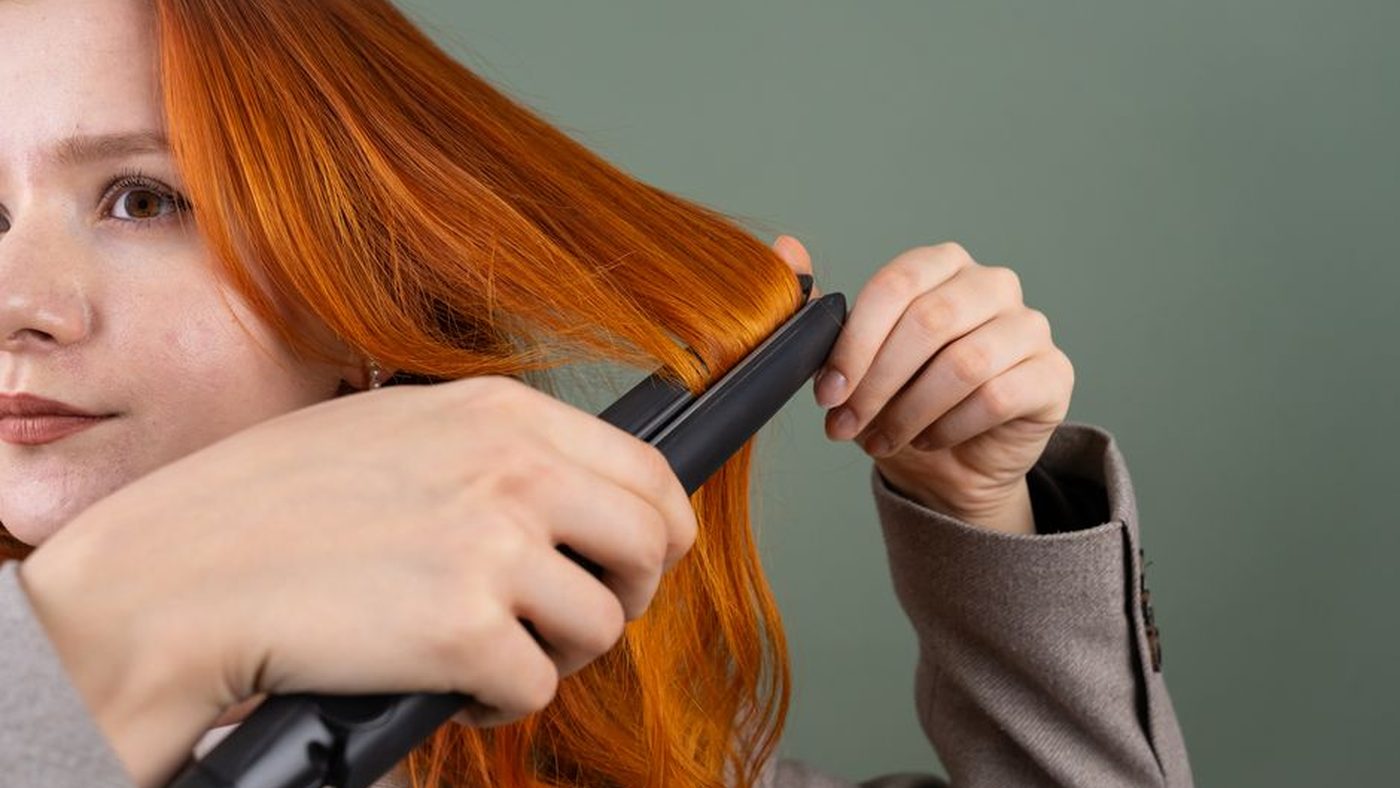
Does heat make the shedding worse?
No. The shed is hormonal and runs on a schedule set months earlier. A straightener cannot extend it, shorten it or intensify it. That is worth stating plainly, because the fear that styling is somehow causing the shed leads people to give up things they enjoy for no benefit at all.
So what does heat actually do?
Breakage, which is a separate problem and the one you can influence. Heat removes water from the hair shaft, and repeated cycles make it more brittle and more likely to snap when handled. That matters more than usual right now because a large share of what reaches your brush at month four is breakage rather than shedding, and because you have a great deal of short new regrowth that is fragile by nature.
Why is regrowth so vulnerable to it?
Short hairs have less length to distribute stress across, they are finer than mature hairs, and they sit right at the hairline where styling concentrates. Heat them and snap them and you are removing precisely the hair you have been waiting months to see — the halo that signals the shed is ending. It is the most frustrating form of loss, because it looks like the shed continuing when it is not.
Can I keep using them?
Yes, with three changes that cost nothing. Use a heat protectant, every time — it is the single highest-value habit here. Drop the temperature; most tools run far hotter than anyone needs, and the lowest setting that does the job is the right one. And keep the tool moving rather than holding it in one place, which is where most real damage happens.
What about on wet or damp hair?
Avoid it. Wet hair is at its weakest — water swells the shaft and lifts the cuticle — and applying direct heat to it is the worst combination available. Let hair dry to barely damp before a straightener or curling iron goes near it. A hairdryer on a cooler setting from a sensible distance is a different matter and is generally the gentler option.
Is air drying always better?
Not necessarily, and this surprises people. Hair left wet for a long time stays swollen and vulnerable, and sleeping on soaking hair means hours of friction at its weakest. A moderate blow-dry can be kinder than leaving hair wet for half a day under a towel. The thing to avoid is extremes: very hot tools, or hours of wet hair being rubbed against a pillow.
None of this is about abstinence. It is about the fact that this particular year is a bad one to be snapping new hair, and three small adjustments buy you most of the protection without giving up how you like to look.
This article is general information, not medical advice. Postpartum hair shedding is common and usually temporary, but everyone’s situation is different. Please speak with your GP, midwife or maternal child health nurse about your own health — especially if you’re pregnant or breastfeeding.