The shed
When exactly does postpartum shedding start?
The delay between birth and shedding is the single most confusing part of this. Short answer: it usually starts two to four months after birth, not straight away, because a hair that stops growing still sits in the follicle for a couple of months before it releases.
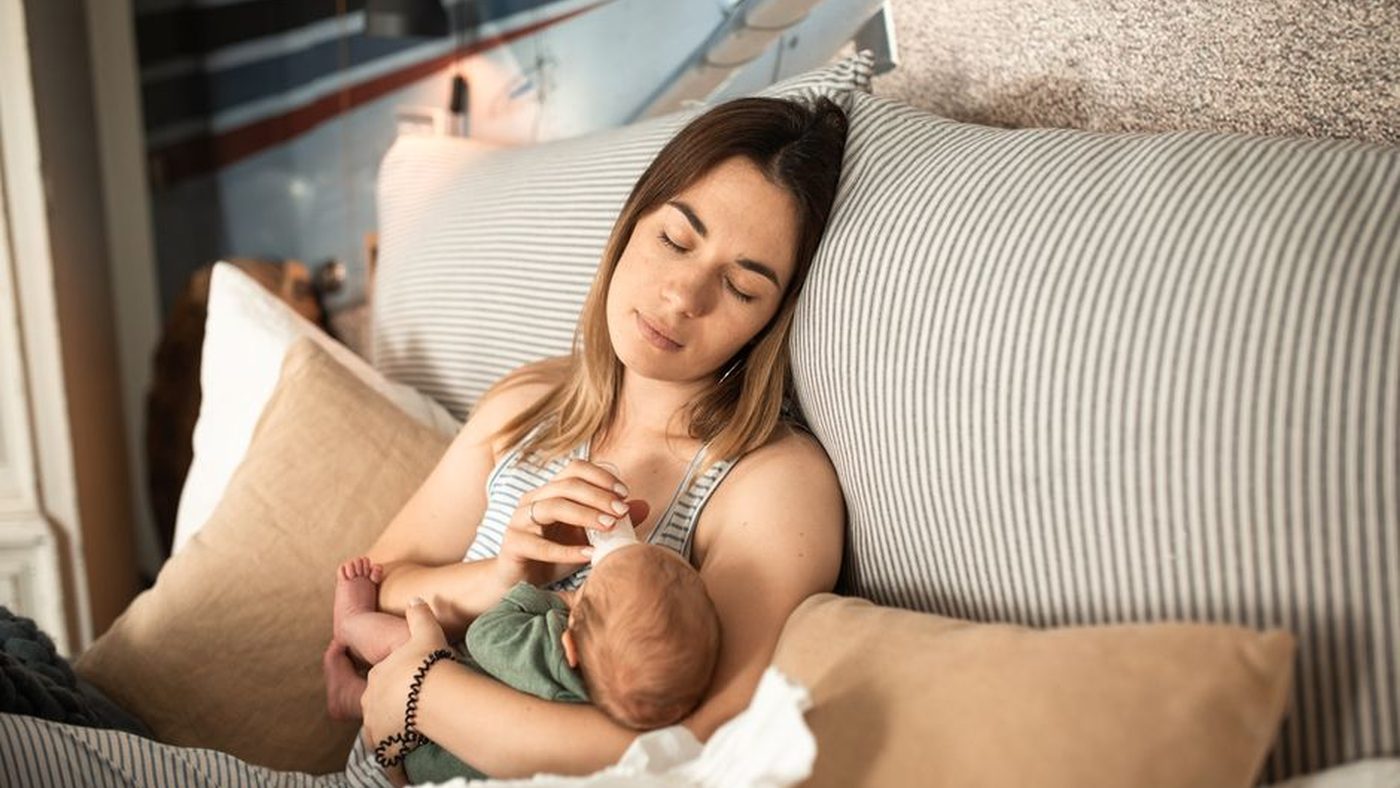
Why doesn't it start straight after birth?
Because hair does not fall the moment it stops growing. When a follicle finishes its growing phase it enters a resting phase, and the finished hair stays anchored in place for roughly three months before releasing. Oestrogen drops within days of delivery and pushes a large number of follicles into that resting phase at once — but the visible consequence is queued behind a three-month delay.
So what is the usual window?
Two to four months after birth for most women, with the heaviest phase near month four. Some notice it a little earlier, some later. If your hair seems fine at eight or ten weeks, that is not evidence you have escaped — it is the expected state at that point.
Why does it feel so sudden when it does start?
Because the release is synchronised. Normally your follicles are out of step with each other, so a steady trickle of shedding goes unnoticed. Pregnancy held an unusual number of hairs in the growing phase past their natural stopping point, and they all moved into resting together. They then release together, which is why it arrives as handfuls rather than as a gradual increase.
Can it start earlier than two months?
It can, though it is less common, and the reason matters. Shedding that begins very soon after birth may have a different trigger — significant blood loss at delivery, illness, surgery or severe stress can all set off a shed on their own timeline. That does not make it dangerous, but it is worth mentioning to your GP rather than assuming it is the standard postpartum pattern arriving early.
What if it hasn't started by six months?
Two likely explanations. You may be among the women who shed little or not noticeably — that happens, and it is not a sign of anything. Or you are breastfeeding, which can delay the onset by prolonging the oestrogen drop. Some women find it arrives only after weaning, sometimes well into the second year.
Does a later start mean a heavier shed?
No. The onset timing and the intensity are not linked in the way people fear. A shed that begins at six months tends to follow the same course from that point as one that began at three. The thing that makes a later start feel worse is usually isolation — everyone else's has finished, and yours looks like evidence that something is different about you. It is not.
Should I do anything before it starts?
Nothing that will change whether it happens, because nothing shortens or prevents the shed. What is worth doing is knowing the timeline in advance, so that month four is a recognised stage rather than an emergency. That is most of what this whole site is for.
This article is general information, not medical advice. Postpartum hair shedding is common and usually temporary, but everyone’s situation is different. Please speak with your GP, midwife or maternal child health nurse about your own health — especially if you’re pregnant or breastfeeding.