Claims
Do hair supplements work for postpartum shedding?
They are marketed hardest at exactly the moment you are most frightened, which is worth noticing before anything else. Short answer: supplementing something you are not short of does not do much, the one deficiency genuinely worth knowing about is found with a blood test rather than a guess, and some popular ingredients interfere with those tests.
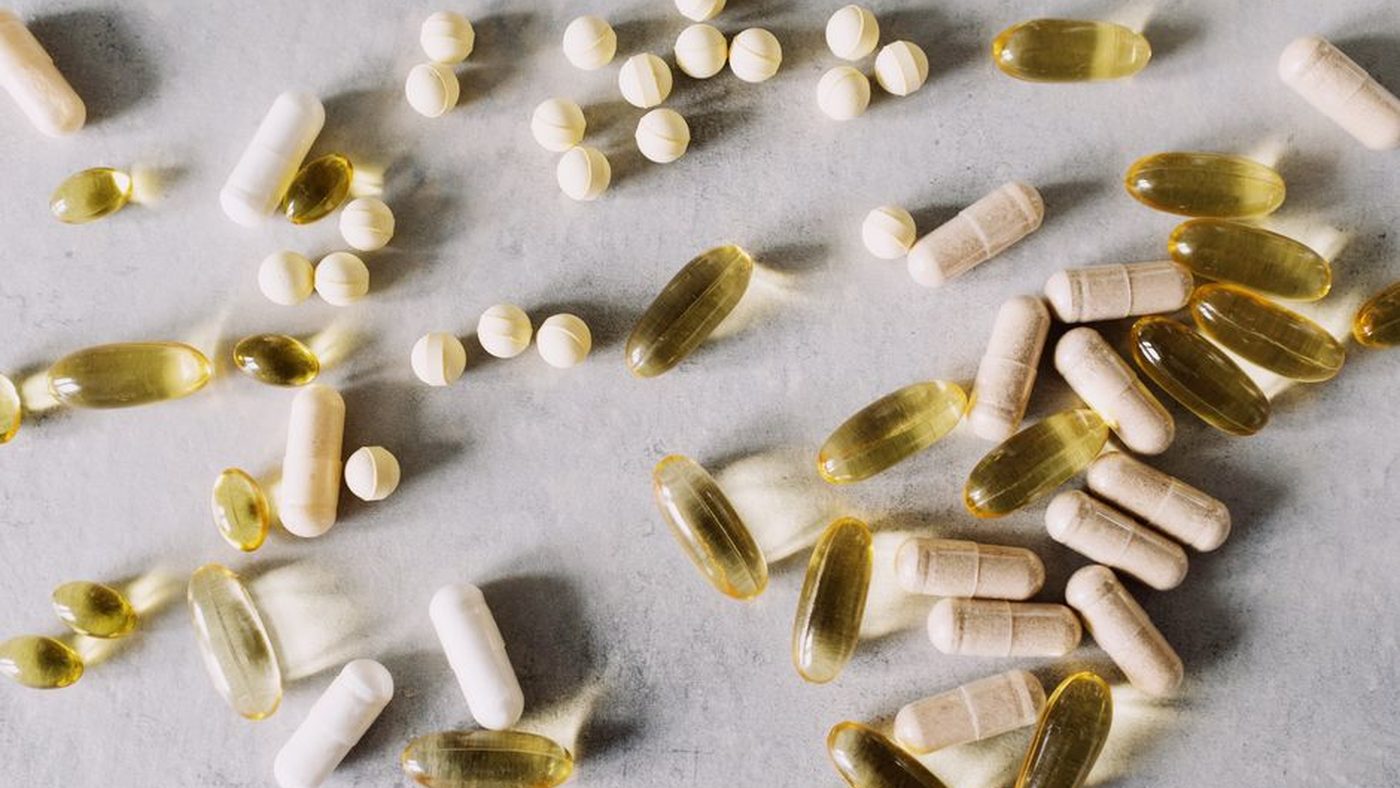
Why do they get advertised to me so relentlessly?
Because the timing is perfect and the audience is motivated. Around month four you are tired, frightened, and holding visible evidence that something is wrong. A capsule is a simple answer to a complicated feeling. That is not an argument that they never help — it is an argument for being more sceptical than usual about the ones that find you first.
Do they do anything at all?
It depends entirely on whether you are short of something. If a genuine deficiency is contributing to shedding, correcting it can help. If you are not deficient, taking more of a nutrient does not produce extra hair — your body does not work on a more-is-better basis. The honest position is that supplements fix deficiencies, and most of the marketing is aimed at people who do not have one.
So how do I know if I am deficient?
A blood test, not a guess, and not a questionnaire on a brand's website. Iron stores are the one genuinely worth asking about after birth — pregnancy draws on them, delivery involves blood loss, and low stores are associated with shedding. That is a ferritin test, and what the number means is worth asking your GP about directly. Thyroid function is the other one worth checking. Test, then decide.
What about biotin specifically?
Biotin is in almost every hair supplement and deserves a specific warning. Genuine biotin deficiency is rare, so most people taking it are correcting nothing. More importantly, high-dose biotin interferes with thyroid and troponin blood tests, which can produce misleading results — including on the very thyroid test you might be having to investigate your hair. If you take it, tell whoever takes your blood, and consider whether it is worth taking at all.
Is there a risk in just trying one?
More than people assume. Supplements are not tightly regulated as medicines, doses in hair products are often well above dietary levels, and some nutrients are genuinely harmful in excess rather than simply wasted. While breastfeeding there is another party to consider. This is the reason the advice here is to ask your GP before starting anything rather than to try it and see.
What does help, then?
Eating enough, which sounds too simple to matter and is not. Severe energy restriction and rapid weight loss are themselves recognised triggers of shedding, so dieting hard in the first year after birth can stack a second shed on the one you are already having. Regular meals with some protein, not perfection. That is the dietary advice that is actually supported, and it costs nothing.
The short version
Get tested before you buy. If something is low, treating it is worth doing properly with your GP. If nothing is low, the capsule is not the missing piece — and the shed was always going to run its course regardless. Spending the money on nothing is the common outcome, and knowing that in advance is worth more than any ingredient list.
This article is general information, not medical advice. Postpartum hair shedding is common and usually temporary, but everyone’s situation is different. Please speak with your GP, midwife or maternal child health nurse about your own health — especially if you’re pregnant or breastfeeding.