Claims
Postpartum hair loss and iron — what ferritin actually tells you
The one blood test worth asking about by name, and why "your bloods were normal" is not the end of the conversation. Short answer: ferritin measures stored iron rather than circulating iron, the two can disagree, and the reference range is wide enough that the actual number is worth knowing.
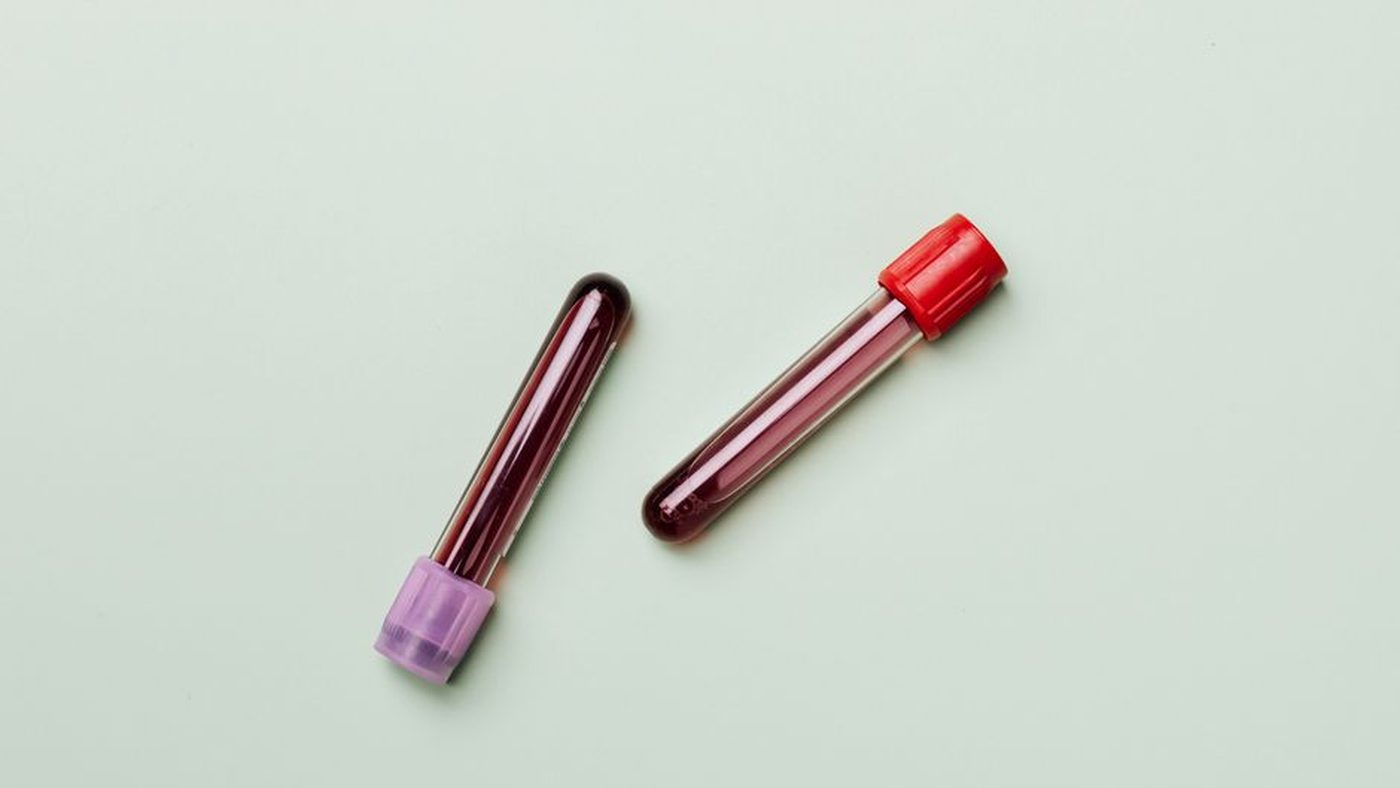
What is ferritin, and why that word specifically?
Ferritin is the protein that stores iron, so a ferritin test estimates your iron reserves rather than the iron currently circulating. That distinction is the whole reason this article exists. A standard full blood count measures haemoglobin — the iron doing its job right now. You can have perfectly normal haemoglobin and depleted stores underneath it, and only one of those tests will tell you.
Why does it matter after having a baby?
Because pregnancy and birth both draw on iron. The pregnancy itself has real demands, delivery involves blood loss, and breastfeeding continues a smaller draw. Low iron stores are associated with hair shedding, which is why ferritin is the one test consistently worth asking about when hair is the complaint. It is also an ordinary, inexpensive blood test — not a specialist investigation.
Why ask for the actual number?
Because the reference range is wide, and "normal" covers a lot of ground. A result can sit technically inside the range while being at the very bottom of it. That is not a conspiracy — reference ranges are built to flag disease, not to optimise. Asking what the number was, and what your GP makes of it in the context of your symptoms, is a more useful conversation than asking whether it was normal.
Does a low result explain my shedding?
Possibly in part, and this is where honesty matters. The postpartum shed has its own cause — the oestrogen drop after birth — and it would have happened regardless of your iron. Low stores can be an additional contributor, and correcting them is worth doing for how you feel generally, not only for your hair. What it will not do is cancel the shed or shorten its timeline.
Should I just take iron to be safe?
No, and this is the firmest thing here. Iron is not harmless in excess — too much causes real problems, it is one of the more common causes of accidental poisoning in small children, and it can interact with other things you are taking. Supplementing without knowing your level is guessing with something that has a downside. Test first, then let your GP decide what, how much, and for how long.
What else should be checked at the same time?
Thyroid function is the usual companion. Postpartum thyroiditis affects a meaningful minority of women in the first year and changes hair, and its symptoms — exhaustion, feeling cold, hair changes — are the easiest things in the world to attribute to having a newborn instead. Asking for both at once saves a second appointment and a second needle.
How to make the appointment count
Write it down beforehand: ferritin and thyroid function, the actual numbers, and when to come back if nothing improves. Mention if you are breastfeeding, because it changes what they will suggest. And say plainly if the shedding is affecting how you feel — you do not need to meet a clinical threshold to be allowed to raise something that is upsetting you.
Test, then decide. It is slower than buying a supplement and it is the only route that answers the question.
This article is general information, not medical advice. Postpartum hair shedding is common and usually temporary, but everyone’s situation is different. Please speak with your GP, midwife or maternal child health nurse about your own health — especially if you’re pregnant or breastfeeding.