Regrowth
My hair texture changed after having a baby — what happened?
The hair growing back after your shed isn't the hair you remember: it's curlier, or straighter, or coarser, or somehow just different, and none of your old products behave. Texture change is the least-discussed chapter of postpartum hair, and you're not imagining it.
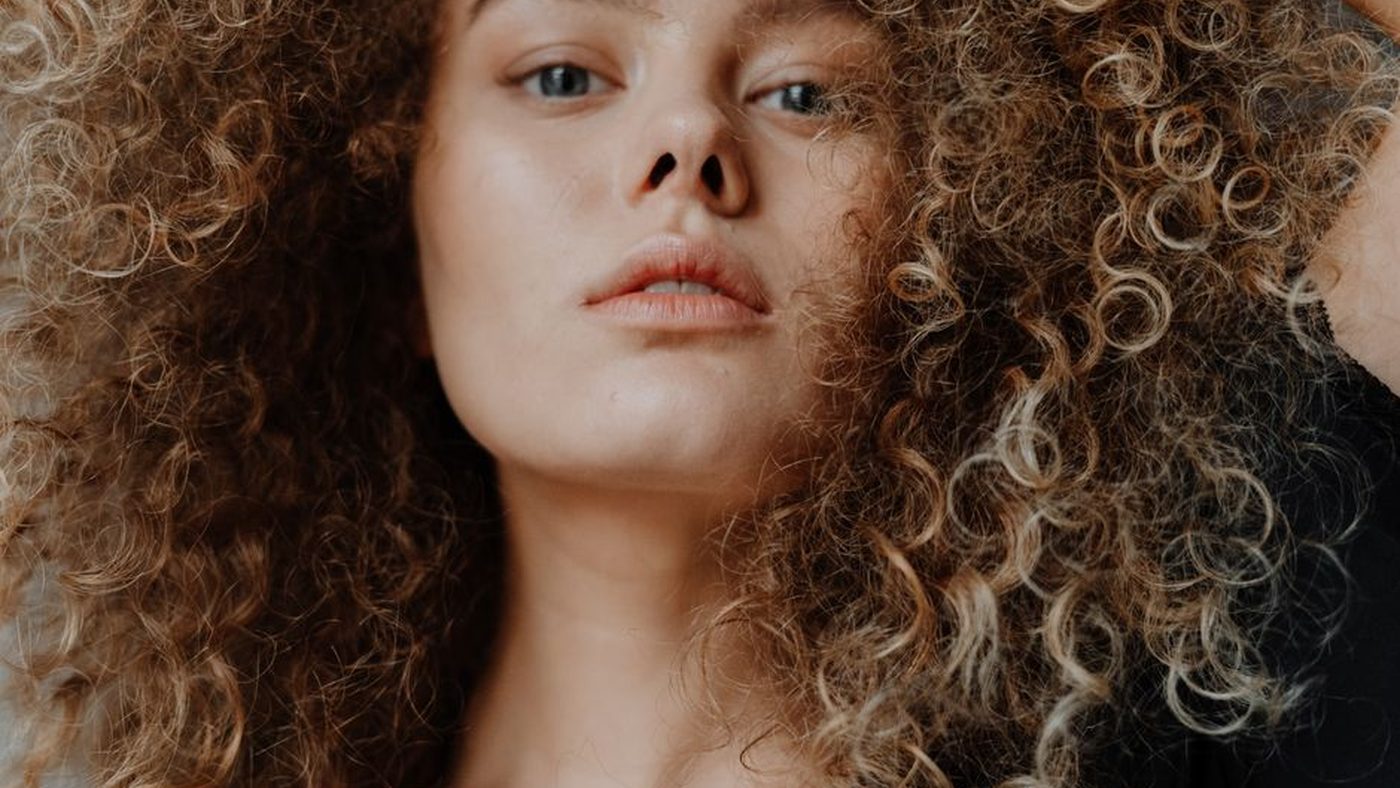
Can hormones really change curl and texture?
Yes. The shape of the follicle influences the shape of the hair it produces — rounder follicles grow straighter hair, more oval ones grow curved hair — and the major hormonal shifts of pregnancy, birth and breastfeeding can nudge follicle behaviour. Add that your current hair is a blend of older lengths and a whole young cohort (new hairs often start finer and softer), plus changed oil output at the scalp, and "my hair feels like someone else's" has several working mechanisms behind it.
Is the change permanent?
The honest answer: sometimes. Many women find texture drifts back toward baseline as hormones settle and the regrowth cohort matures over a year or two. Some find a lasting change — the post-baby curl or the new coarseness that simply stays, sometimes shifting again after subsequent pregnancies or weaning. There's no test that predicts which camp you're in; there's only time, which is a good reason to work with the current texture rather than waiting it out in a stand-off.
Why does my hair also feel different?
Because feel is mostly surface plus behaviour. Different oil levels change how coated and weighted strands are; a population of fine new hairs changes how the whole head moves and holds; a changed curl pattern changes how light reflects, how ends sit, how long a wash-day result lasts. Nothing needs to be "wrong" at the strand level for the daily experience to be genuinely foreign.
How do I care for a texture I've never had?
Borrow the rules of the texture you've got, not the one you had. New wave or curl: more moisture through the lengths, less brushing when dry, scrunch instead of smooth. New flatness: lighter conditioner kept off the roots, volume at the crown. New coarseness: richer leave-in on the lengths, gentler detangling. Treat the first three months as an experiment on a stranger's hair — curiosity gets better results than grief here.
When should I re-choose my products?
When the routine stops arguing back. Once you know what the new texture wants, audit what's on your shelf against it — the products-or-habits post walks the decision, and the label-reading guide makes the shop trip rational. Concrete step today: pick your single most-used product and ask whether it was chosen for the old hair. If yes, that's swap candidate number one.
Sources
- Cleveland Clinic — Postpartum hair loss (hormonal drivers of postpartum hair change): https://my.clevelandclinic.org/health/diseases/23297-postpartum-hair-loss
This article is general information, not medical advice. Postpartum hair shedding is common and usually temporary, but everyone’s situation is different. Please speak with your GP, midwife or maternal child health nurse about your own health — especially if you’re pregnant or breastfeeding.