Reading labels
Fragrance, essential oils and a scalp that suddenly has opinions
The shampoo you've used for years is suddenly a problem — your scalp prickles on wash day and your nose has turned against smells you used to love. Pregnancy and postpartum can make skin and senses more reactive, and fragrance is the first suspect worth interviewing.
Why do I suddenly react to products I've used for years?
Because the skin you're washing isn't the skin those products were tested on — by you. Hormonal shifts through pregnancy and postpartum can leave skin more reactive, so ingredients your scalp previously ignored may now register as tingling, tightness or itch. Heightened smell sensitivity is famously part of the package too. Neither means the product "became" bad; it means the audience changed, and the audience gets the vote.
What counts as "fragrance" on a label?
On an INCI list, the words fragrance or parfum stand for a scent blend whose individual components generally aren't listed separately — one word, many compounds. Certain recognised fragrance allergens must be named individually on the list when present above set levels (that's why you'll see names like limonene or linalool riding along). Position matters as always: fragrance near the tail of the list is a small presence; high placement means the scent is a feature. The label guide covers the ordering rule doing the work here.
Are essential oils gentler — or just more natural-sounding?
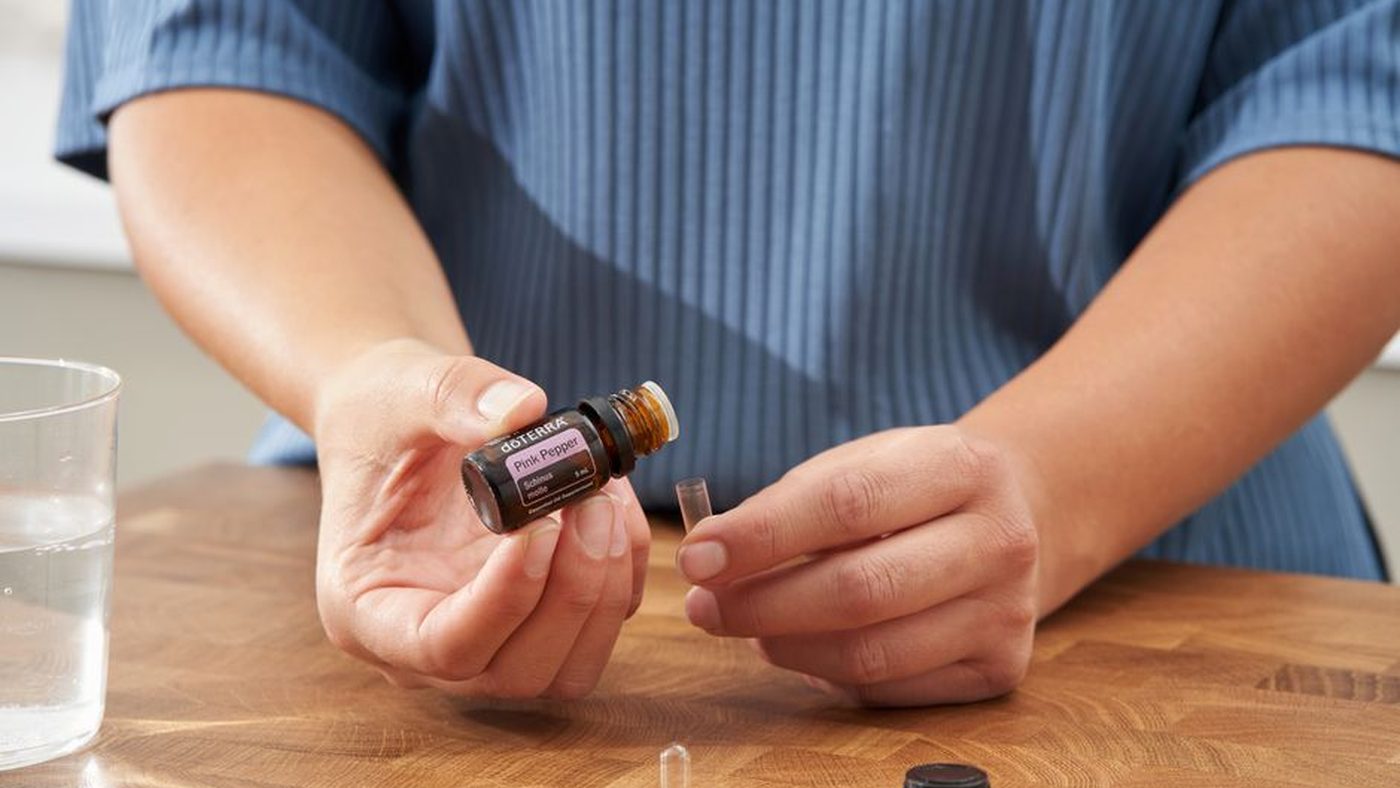
Neither status is automatic. Essential oils are concentrated plant-derived scent-and-feel ingredients; natural origin is a sourcing fact, not a gentleness certificate, and several well-known fragrance allergens occur naturally in essential oils. Plenty of scalps love them; reactive scalps sometimes don't distinguish botanical from synthetic when itching. The fair test is the same for both: how does your scalp respond — not which aisle the ingredient shops in.
How do I test whether fragrance is my problem?
One variable, one week. Swap a single product for the most comparable low-fragrance or fragrance-free version you can find, change nothing else, and note wash-day scalp feel for a week. Improvement points at fragrance (or that formula's version of it); no change sends you back to the other suspects — water temperature, wash rhythm, tension (the itch post lines them up). Patch-thinking helps too: introduce any new product on one forearm-sized decision at a time, never three at once.
What do I ask my pharmacist about while breastfeeding?
The specific version of your worry, with the label in hand or on your phone: "I'm breastfeeding and my scalp's gone reactive — anything in this list you'd flag, and is there an alternative you'd suggest?" Pharmacists field exactly this daily, they answer for your situation, and the photo method makes it a ninety-second conversation. Same routing rule as ever: this series can teach you to read the document; only your own health professionals get to read it for you.
Sources
- Australian Industrial Chemicals Introduction Scheme — cosmetics and fragrance ingredient context: https://www.industrialchemicals.gov.au/
- American Academy of Dermatology — Hair loss in new moms: https://www.aad.org/public/diseases/hair-loss/insider/new-moms
This article is general information, not medical advice. Postpartum hair shedding is common and usually temporary, but everyone’s situation is different. Please speak with your GP, midwife or maternal child health nurse about your own health — especially if you’re pregnant or breastfeeding.