Scalp
Why is my scalp so itchy postpartum?
Somewhere between the night feeds and the shed, your scalp started filing complaints — itchy by evening, tight after washing, tender where the bun sits. Nobody warned you your scalp would have a postpartum era, but it does, and it has ordinary causes.
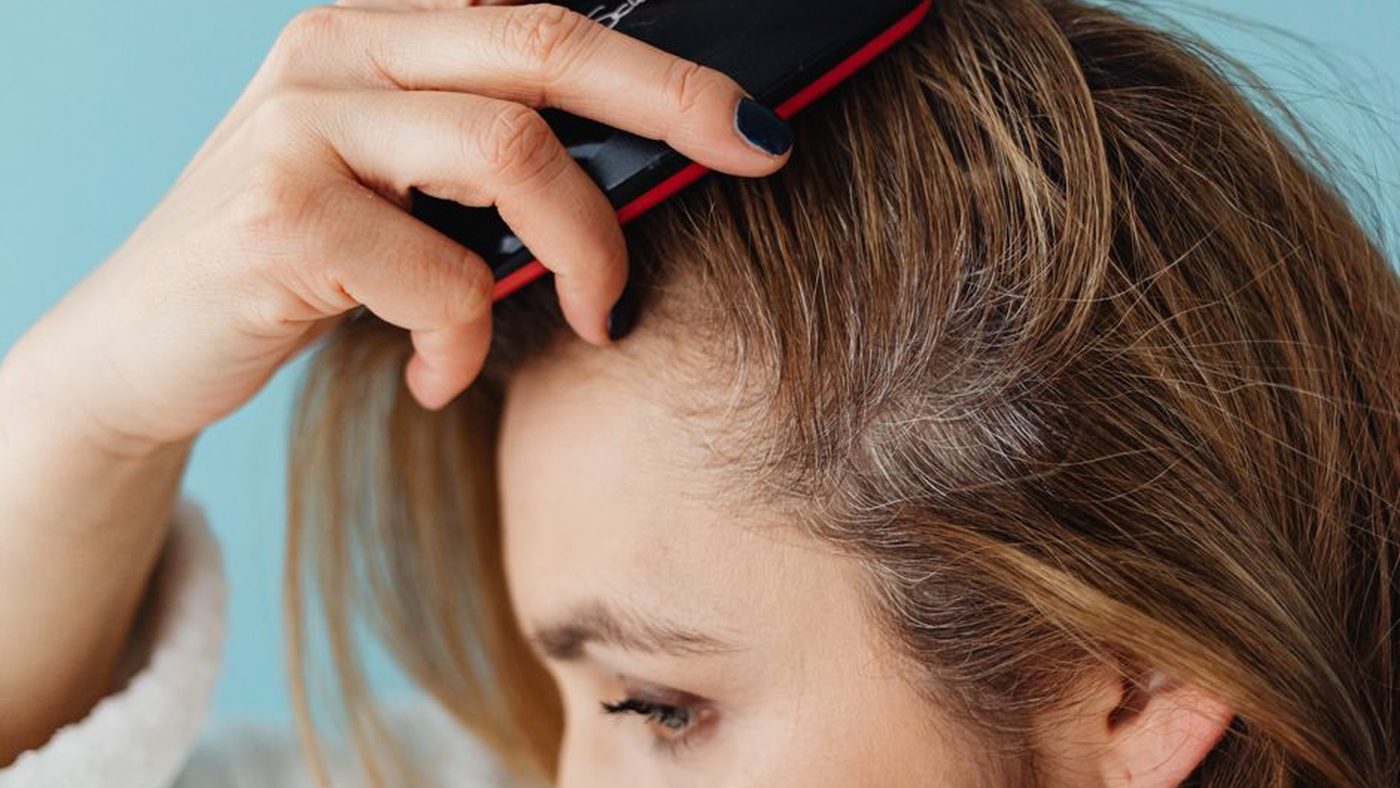
What's making my scalp itch now the baby's here?
Usually a stack rather than one culprit. Postpartum hormone shifts change skin behaviour and oil production, the same way pregnancy did. Night sweats — very common in the early months as your body offloads fluid and hormones re-settle — leave salt and moisture at the roots for hours. Washing gets postponed in the newborn blur, so the scalp sits longer between resets. And your hair has likely been in the same tied-back style since the birth, adding constant low-grade friction and tension. Each factor is minor; together they're an itch.
Is it the sweat, the hormones or the bun?
Run a cheap experiment instead of guessing: for one week, wash when the scalp actually feels grubby rather than when the schedule allows, swap the tight bun for a loose claw-clip twist, and rinse with warm rather than hot water. If the itch eases, it was the stack, and you've found your levers. If nothing changes, that's useful information for the next section.
What actually makes a scalp feel comfortable?
Unmysterious things, done consistently: washing rhythm matched to how much you're sweating (the night-sweat wash problem has its own post); water warm, not hot; shampoo massaged in with fingertips, not nails; low-tension styles that let the scalp off the leash (tension guide here). Some women also like a lightweight scalp serum as a comfort step — ours is formulated exactly for that scalp-feels-comfortable job, which is the only job we'll claim for it.
What ingredients tend to bother reactive scalps?
Postpartum skin can be more reactive than you're used to, and fragrance is the most commonly reported irritant category in cosmetics generally — worth checking where it sits on your labels if the itch tracks to wash day. The reliable method beats any blacklist: change one product at a time, give it a week, and note what your scalp says. The elimination method is written up here.
When is an itch a GP visit?
When it comes with visible signs — redness, weeping, thick scale, crusted patches — or when it persists despite the comfort basics above. Skin conditions can start or flare in the postpartum period, they're diagnosable and treatable, and they're a doctor's job. A comfortable-scalp routine is our lane; a symptomatic scalp is theirs, and the handover point is exactly here.
Sources
- Cleveland Clinic — Postpartum hair loss (postpartum hormonal changes): https://my.clevelandclinic.org/health/diseases/23297-postpartum-hair-loss
- HSE — Health after birth (postpartum changes overview): https://www.hse.ie/pregnancy-birth/birth/health-after-birth/breast-changes-hair-loss/
This article is general information, not medical advice. Postpartum hair shedding is common and usually temporary, but everyone’s situation is different. Please speak with your GP, midwife or maternal child health nurse about your own health — especially if you’re pregnant or breastfeeding.