Reading labels
Scalp serums 101: what they are and what to honestly expect
A serum for your scalp has entered the group chat, and you'd like the version of this explanation that isn't trying to close a sale by the second paragraph. Here it is — including the section most serum pages skip, on what no serum does.
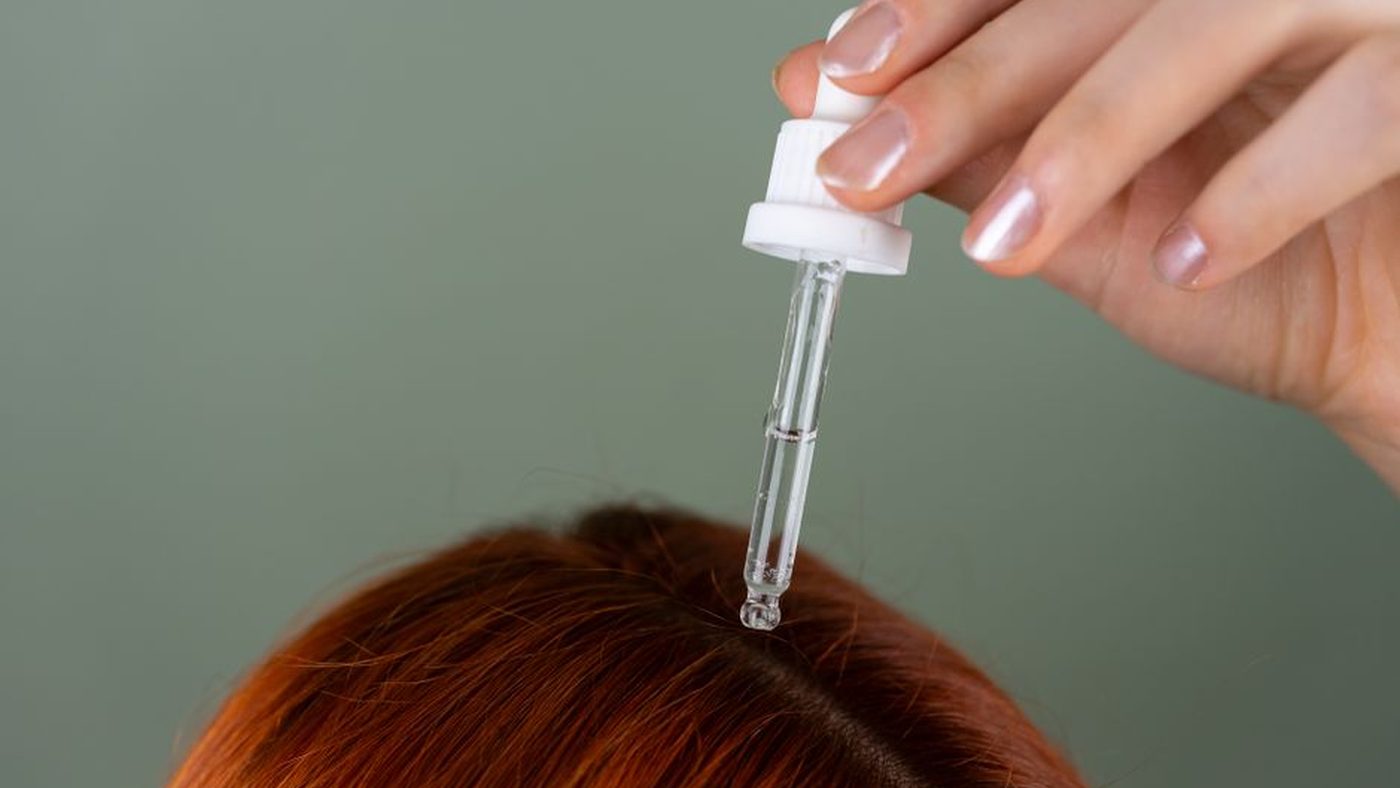
What is a scalp serum, actually?
A lightweight leave-on liquid designed for the scalp rather than the lengths: applied in drops or via a dropper or nozzle to the part lines, massaged in briefly, not rinsed out. The format exists because the scalp is skin — the only skin on your body routinely covered by hair — and a leave-on lets ingredients sit where a shampoo's thirty seconds can't. That's the entire concept: skincare logistics, applied to the one patch of skin your conditioner was never designed for.
What can one legitimately change — and on what timeline?
Two honest things. Scalp feel: a well-formulated serum can leave a scalp feeling more comfortable — less aware of itself, less tight, less itchy-by-evening — often noticeable within days of consistent use. Appearance around the scalp: with light smoothing ingredients, the halo of new growth and part-line flyaways can look smoother and better-behaved, visible from first uses. Give any serum a few consistent weeks before judging it; a fair trial is applied regularly, not remembered occasionally. Those two jobs are the whole honest job description.
What can no serum change?
The two things serum marketing most often gestures at. The postpartum shed: it's a hormonal timeline — dermatology sources are unambiguous that it can't be prevented and resolves on its own — and no cosmetic applied to the scalp rewrites it. The growth rate: hair lengthens at roughly a centimetre a month, serum or no serum. A serum bought to stop your shed will "work" only in the sense that the shed was ending anyway — the timing trap explained here. Buy the comfort and the smoothing; never buy the miracle.
How do I work one into a shower-optional life?
This is where the format earns its postpartum stripes: serums don't need a wash to apply. Practical pattern — a few drops along the part lines at a consistent daily anchor (after the bedtime feed is popular), massaged in for the thirty seconds you'd have spent doomscrolling. One hand, no mirror required, done before the baby notices. The one-handed routine post slots it into the full sequence.
What should be on the label of a good one?
Claims inside the honest lane — comfort, feel, appearance — and an ingredient list you can interrogate with the label guide: lightweight base, recognisable soothing-feel and smoothing ingredients, fragrance positioned where your reactivity tolerates. If the label promises follicle reactivation, you're holding a category problem, not a serum. And whoever you buy from: a serum is a comfort-and-appearance product or it's overclaiming.
Sources
- American Academy of Dermatology — Hair loss in new moms (shed resolves without treatment): https://www.aad.org/public/diseases/hair-loss/insider/new-moms
- Cleveland Clinic Health Essentials — Postpartum hair loss (cannot be prevented; hormonal): https://health.clevelandclinic.org/postpartum-hair-loss
- Donovan Medical — Hair loss after pregnancy (growth rate ~1cm/month): https://donovanmedical.com/hair-blog/2011/8/22/hair-loss-after-pregnancy.html
This article is general information, not medical advice. Postpartum hair shedding is common and usually temporary, but everyone’s situation is different. Please speak with your GP, midwife or maternal child health nurse about your own health — especially if you’re pregnant or breastfeeding.