The shed
Is postpartum hair loss different after a caesarean?
The hormonal trigger is identical regardless of how you gave birth. Short answer: a caesarean does not cause a different kind of shed, though blood loss, anaesthetic and a harder recovery can each contribute a little, and the practical business of hair care is genuinely harder for a few weeks.
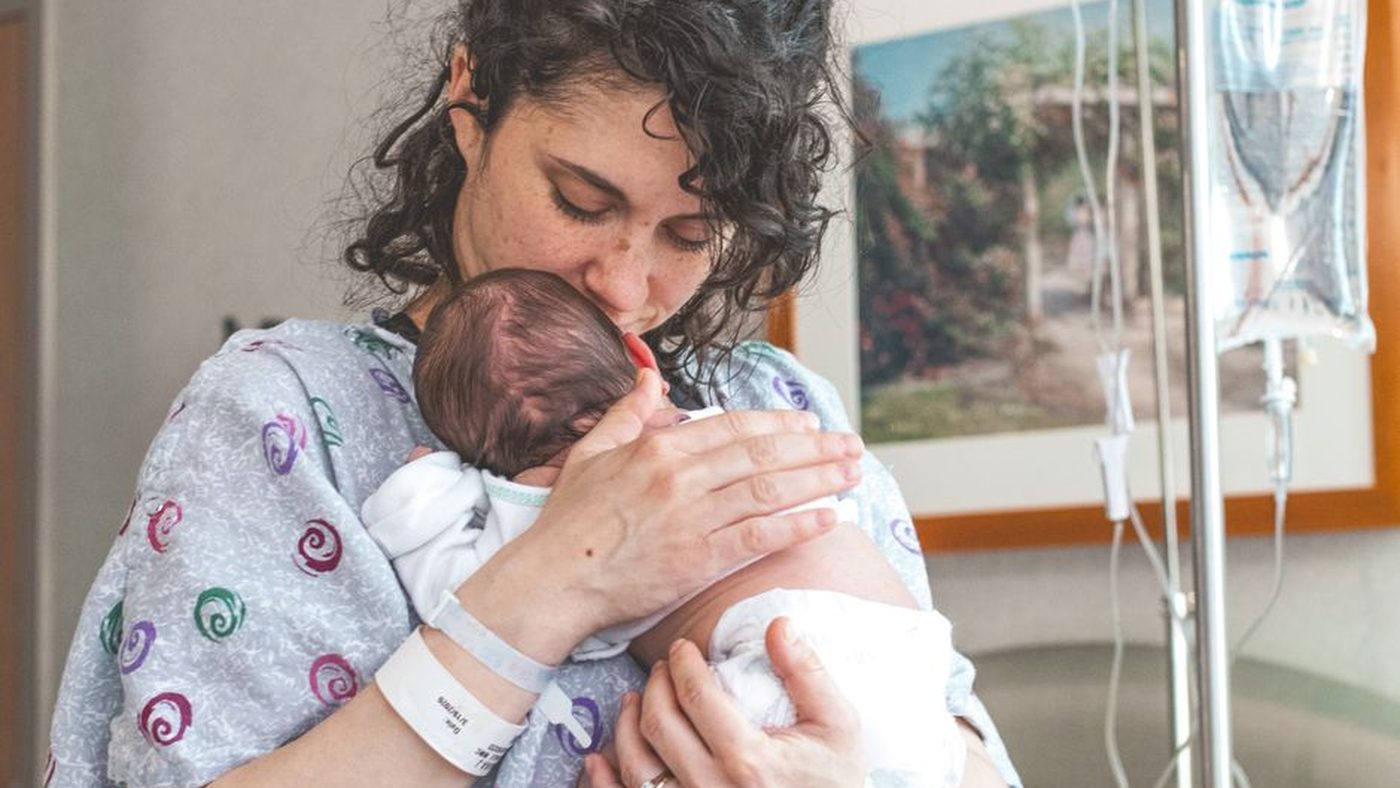
Does the mode of birth change the shed itself?
No. The trigger is the drop in oestrogen after the placenta is delivered, and that happens whether the birth was vaginal or surgical. The timeline is the same — a start around two to four months, a peak near month four, easing through the rest of the year. If anyone has told you a caesarean causes hair loss, that is not what is happening.
So why do some women say theirs was worse?
Because a few things that often accompany a caesarean can each add a little. Significant blood loss can lower iron stores, and low stores are associated with shedding. Major surgery is a physical stress, and stress can trigger its own shed on a two-to-three-month delay — which lands at roughly the same time as the hormonal one, so the two overlap and are impossible to tell apart from the inside.
Does the anaesthetic cause it?
Not in the way people mean. General anaesthesia and major surgery together can contribute to a shed as physiological stresses, but this is the same mechanism as any surgery, not something specific to caesareans or to the drugs. Most caesareans in Australia are done under spinal or epidural anaesthesia rather than general, which makes this an even smaller part of the picture.
Should I get my iron checked?
It is worth asking, particularly if you lost a meaningful amount of blood or were told your levels were low before discharge. Ask for ferritin specifically — it measures stored iron, and you can have normal haemoglobin with depleted stores underneath. Thyroid function is worth asking for at the same time. Test rather than supplement on a guess.
What is actually harder about hair care after a caesarean?
The practicalities, for the first few weeks. Reaching above your head pulls on the incision. Standing through a long shower is tiring. Tipping your head back at a basin is uncomfortable. This is where the one-handed routine earns its keep — sitting to detangle, shorter washes, and accepting that hair will be tied back more than you would like.
Does being tied back all the time matter?
It does, a little, and it is worth knowing rather than worrying about. Constant tension in the same spot is a mechanical load on the hairline exactly when it is most fragile. The fix is not to stop tying it up — it is to move the position day to day and keep it loose. Where the tension lands is the part you control.
The short version: same shed, same timeline, a few extra contributors worth testing for, and several weeks where the logistics are genuinely harder. None of it means your recovery is going badly.
This article is general information, not medical advice. Postpartum hair shedding is common and usually temporary, but everyone’s situation is different. Please speak with your GP, midwife or maternal child health nurse about your own health — especially if you’re pregnant or breastfeeding.